.png)
.jpeg)

Online communities were part of the digital space even before social media was a biggie. But, like most other things, these virtual platforms have evolved. Today, online communities are much more than a space for meet and greet. They have evolved into media where commercial entities thrive alongside personal interactions.
Facebook has been the go-to choice for brands and businesses. It helps to build user communities, especially the underrepresented ones. But once you read the finer print, you realize that the sheer reach and familiarity of Facebook may not be the only fortes that you can trust to build your community.
Are the perks of Facebook as good as they seem?

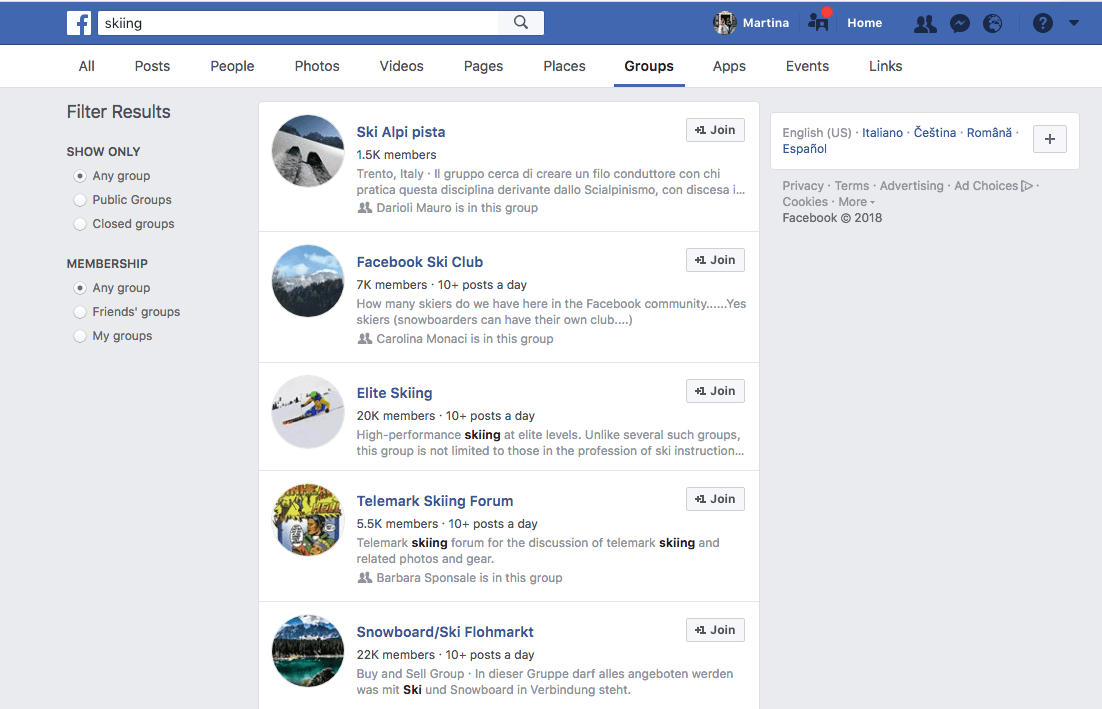
Facebook’s community feature lets its members interact and build social relationships. No doubt, Facebook generates ample user engagement. But if you think positive engagement to be the sole metric of your success, you might be making a big mistake.
Why?
Take a look at the following core issues related to running Facebook groups:
No external access to essential data
Expect to be in the soup if you’re running a Facebook community and would like to connect your members to an external product or set up integrations to expand your community. This is because Facebook makes access to basic data impossible. It hinders the workflow of community managers. Plus, it allows nothing beyond mere measurement of engagement metrics. It may not sound like a huge deal to hobby community creators. But the problem gets real for brands who use the platform for promoting their business besides nurturing a community of customers.
Lack of flexibility and scalability
Innovative online community builders focus on going beyond a simple forum experience. They aim to create customizable platforms packed with interactive features. Facebook communities are great if you want to build a place where people can come together and chat. But if you wish to develop a community with features and offerings that cater to your community’s needs, Facebook may not be your best bet.
Limited influence over the culture
Facebook fails to offer a clean slate where you can build your community culture from scratch. Of course, you can use strong community management practices to have a hold on your Facebook community’s culture, but only to some extent. When your customers are using Facebook, they are most likely to alternate between interacting with their personal connections and engaging with your brand, thereby impacting involvement.
Security and privacy issues
The social media platform has faced criticism over issues related to abuse, misinformation campaigns, not fact-checking political ads, election interference, and mishandling of user passwords. Add them all, and most online community creators will be bound to consider shifting to more customizable and safer platforms.
Why it’s time to consider alternatives to Facebook
Here are some high points of online communities that are pushing the supremacy of Facebook to the background:
Better access to data
Online communities grant full ownership to creators and offer much more data transparency. You have more data at your disposal to reach out to existing users or get new sign-ups. Hence, you get more scope to engage with your audience.
Full control over user experience
A self-owned community allows you to have complete control over the user experience. Thus, you can provide a warm and welcoming space to the members. Besides, you don't have to rely on an algorithm showing irrelevant or inappropriate content. You can easily oversee the content, layout, and navigation features of the platform while your user interacts with it.
Better organization and moderation
Self-owned communities are more organized and have a robust search function for the platform. This makes it easier for the community to find and consume content that is relevant to them. Besides, such communities come with moderation tools. Hence, it's far easier to build the community culture from scratch. Plus, you can maintain a safe and healthy space for users.
LEGO Ideas: A look into the non-FB based thriving online community

Ever wondered what it’s like to have an online community buzzing with LEGO lovers from around the world? With LEGO Ideas you can join a thriving community of LEGO enthusiasts. What's more, you can showcase your creative skills to the world. The platform offers contests where you can win LEGO sets and other exciting prizes. Also, you can become a LEGO Fan designer and submit your ideas to see them become real LEGO sets!
What’s so good about LEGO Ideas?
• A hub for collaboration, innovation, and co-creation
• Weekly activities and challenges to keep users engaged
• Regular contests and prizes to encourage user participation
• Fun and interesting blogs on LEGOS
• Option to browse LEGO categories based on interests
• A community of LEGO enthusiasts you can follow and support
Conclusion
Facebook does have its benefits. An active user base, a familiar feel, and a hassle-free setup keep it popular even now. But it fails to offer the competitive advantage that an online community provides. From Duolingo, Airbnb, and Reddit to lesser-known ones like LEGO Ideas and Mom365, there are many thriving online communities to turn to as examples. The best part - they all run off of Facebook and have carved a permanent niche among community members.
Sonakshi is a marketing specialist at AtomChat, who has just graduated with a bachelor's degree in communication from the University of Technology, Sydney.